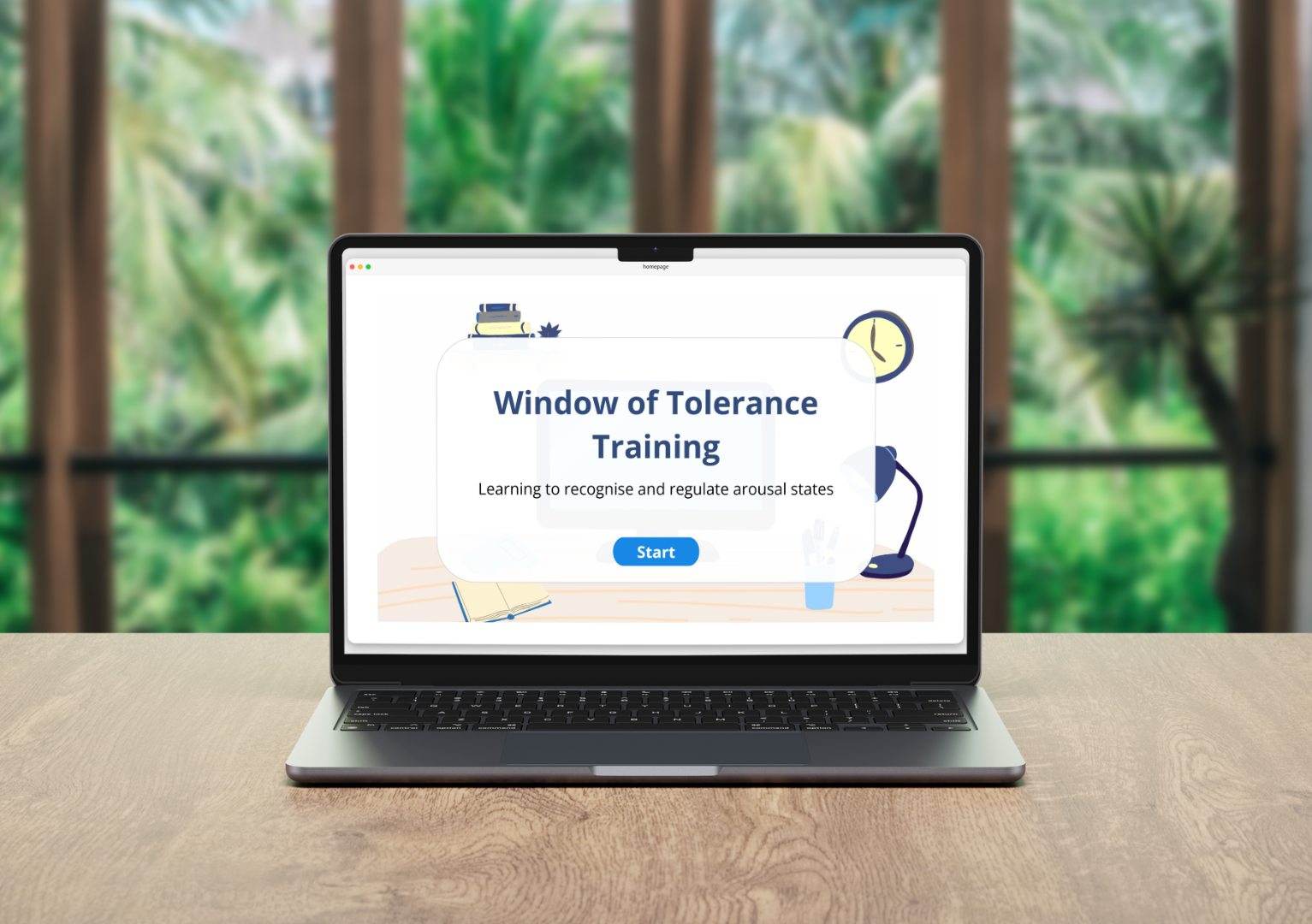
Workplace Stress Regulation Training
A scenario-based e-learning experience built in Articulate Storyline 360, designed to help mid-career professionals recognise and regulate their arousal states in real time.
Learners navigate a realistic workday- managing a post-lunch energy slump, a high-pressure boss call, and an automatic disconnection response- making regulation-supportive choices at five branching decision points.
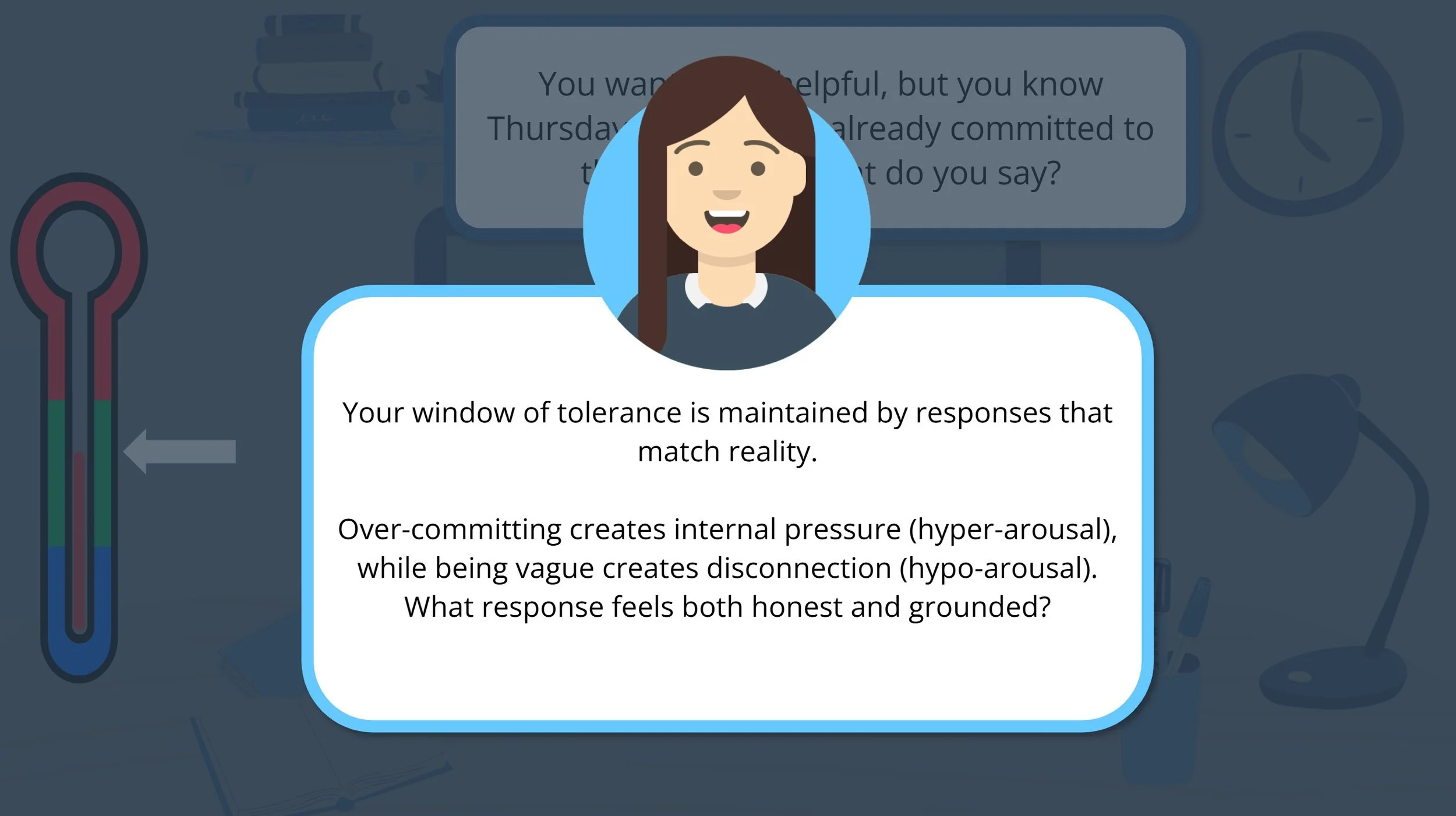
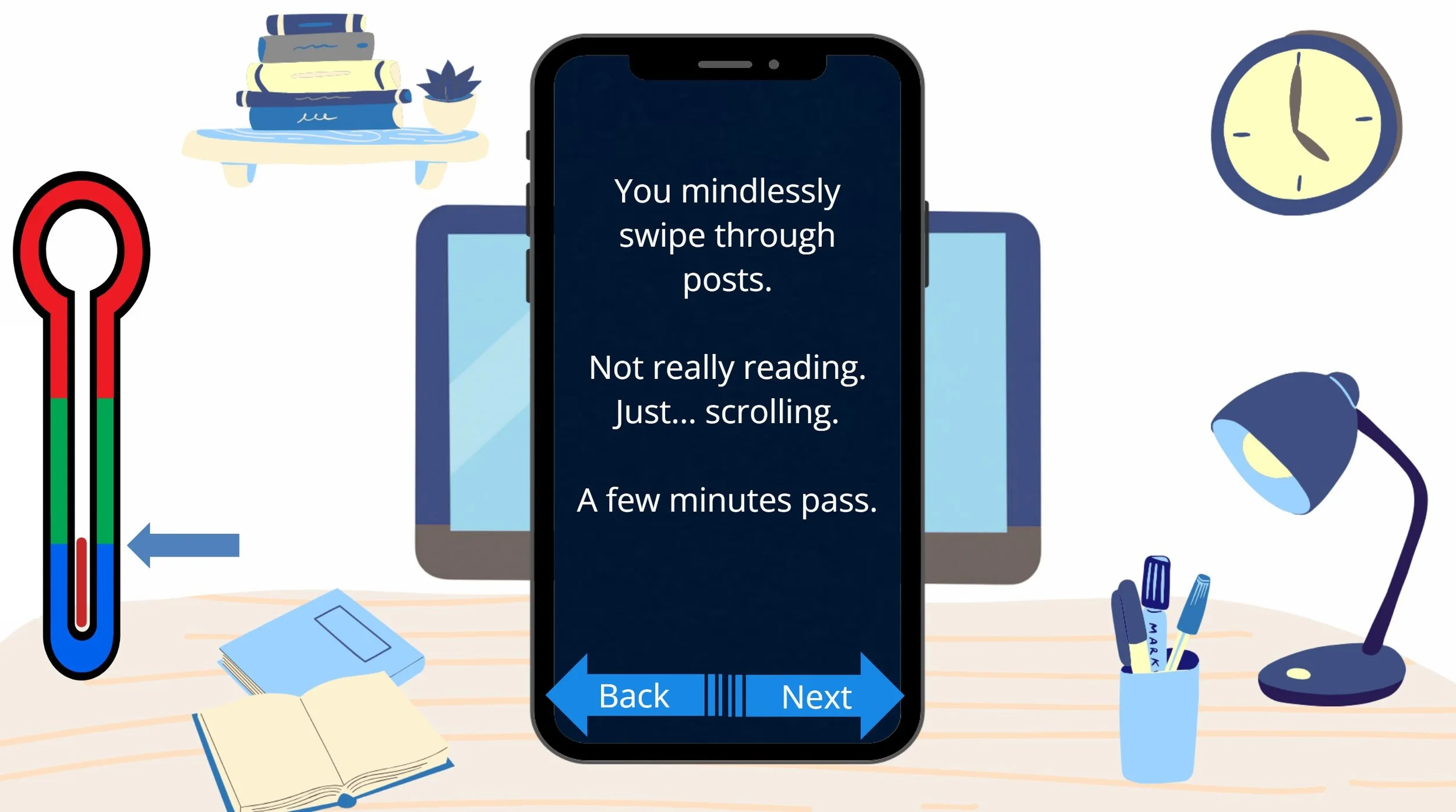
A visual thermometer provides real-time feedback across three arousal zones, making an abstract psychological concept immediately tangible and actionable.
The Problem
Mid-career professionals experience stress dysregulation that impairs their performance, decision-making, and wellbeing. They cannot articulate their specific arousal state beyond feeling 'stressed,' preventing them from selecting appropriate regulation responses. Without real-time awareness of whether they're experiencing hyper-arousal (overwhelmed, racing thoughts), hypo-arousal (disconnected, low energy), or optimal arousal (challenged but capable), their coping strategies fail because they're mismatched to their actual state. The core problem isn't that professionals experience stress, but that they lack awareness of their arousal state and default to habitual reactive behaviours rather than making intentional regulation choices.
The Solution
I created a scenario-based e-learning experience that simulates a realistic workday containing both low-energy moments and high-pressure demands. This approach allows learners to practice recognising their arousal state and making regulation-supportive choices in a safe, risk-free environment. A visual thermometer provides real-time feedback on arousal level, helping learners build the awareness they'll need to develop independently. Scenario-based learning reinforces productive habits and stress management by showing the real-world consequences of choices. This makes it an ideal solution for developing practical skills and improving day-to-day performance whilst building foundational awareness for long-term regulation practice.
Action Map
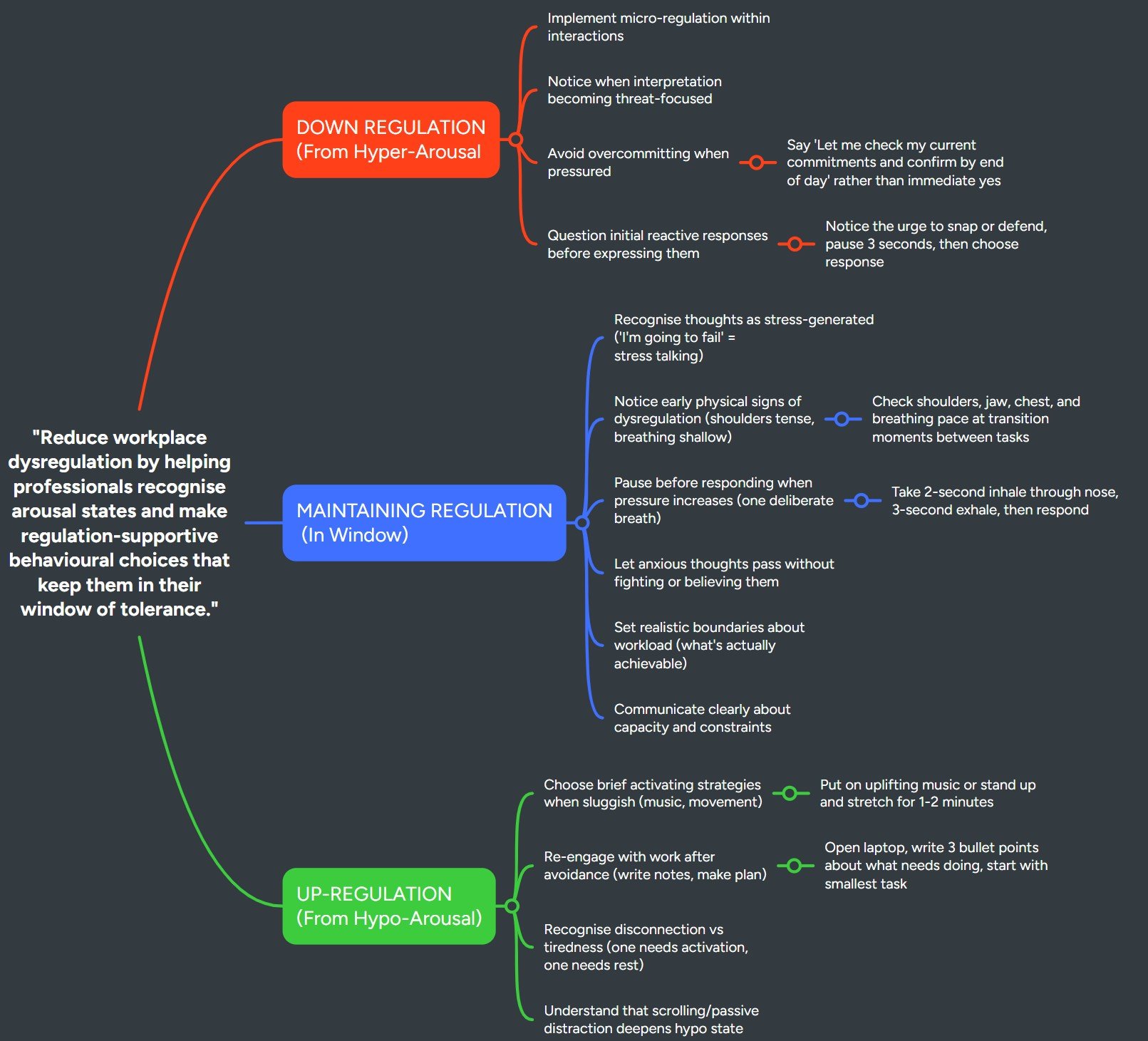
The design process began with a single performance goal: reducing workplace dysregulation by helping professionals recognise their arousal state and make regulation-supportive choices in the moment. Rather than starting with content or activities, action mapping kept the focus firmly on what learners needed to DO differently- not just what they needed to know.
Working outward from the goal, I identified the three core behavioural challenges: down-regulating from hyper-arousal, maintaining regulation when pressure builds, and up-regulating from hypo-arousal.
Each branch was then broken down into specific, observable actions that could realistically be practised within a 15-minute workplace scenario. This process directly shaped every decision point and branching choice in the final course, ensuring the training remained action-focused rather than information-heavy.
Text based Storyboard
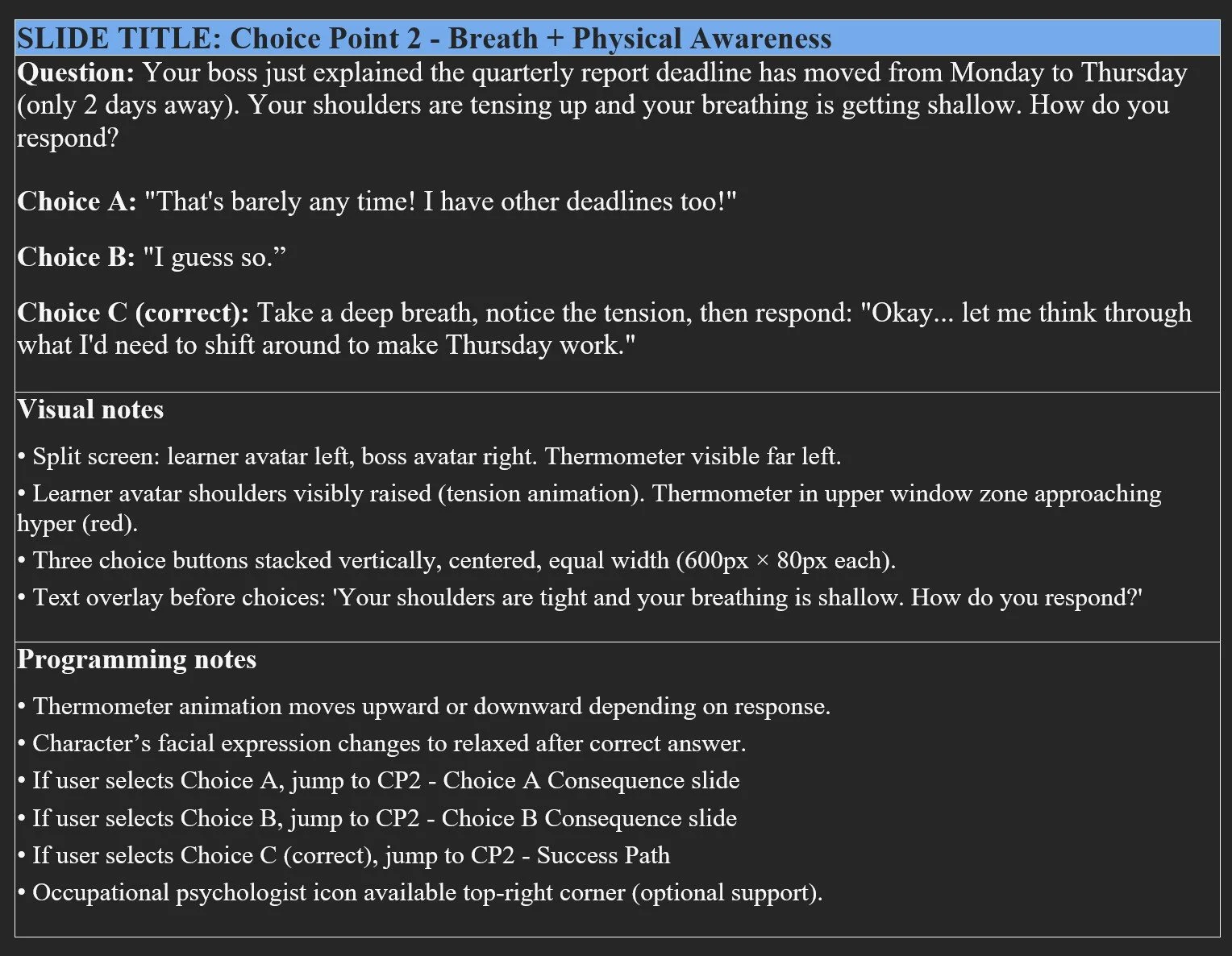
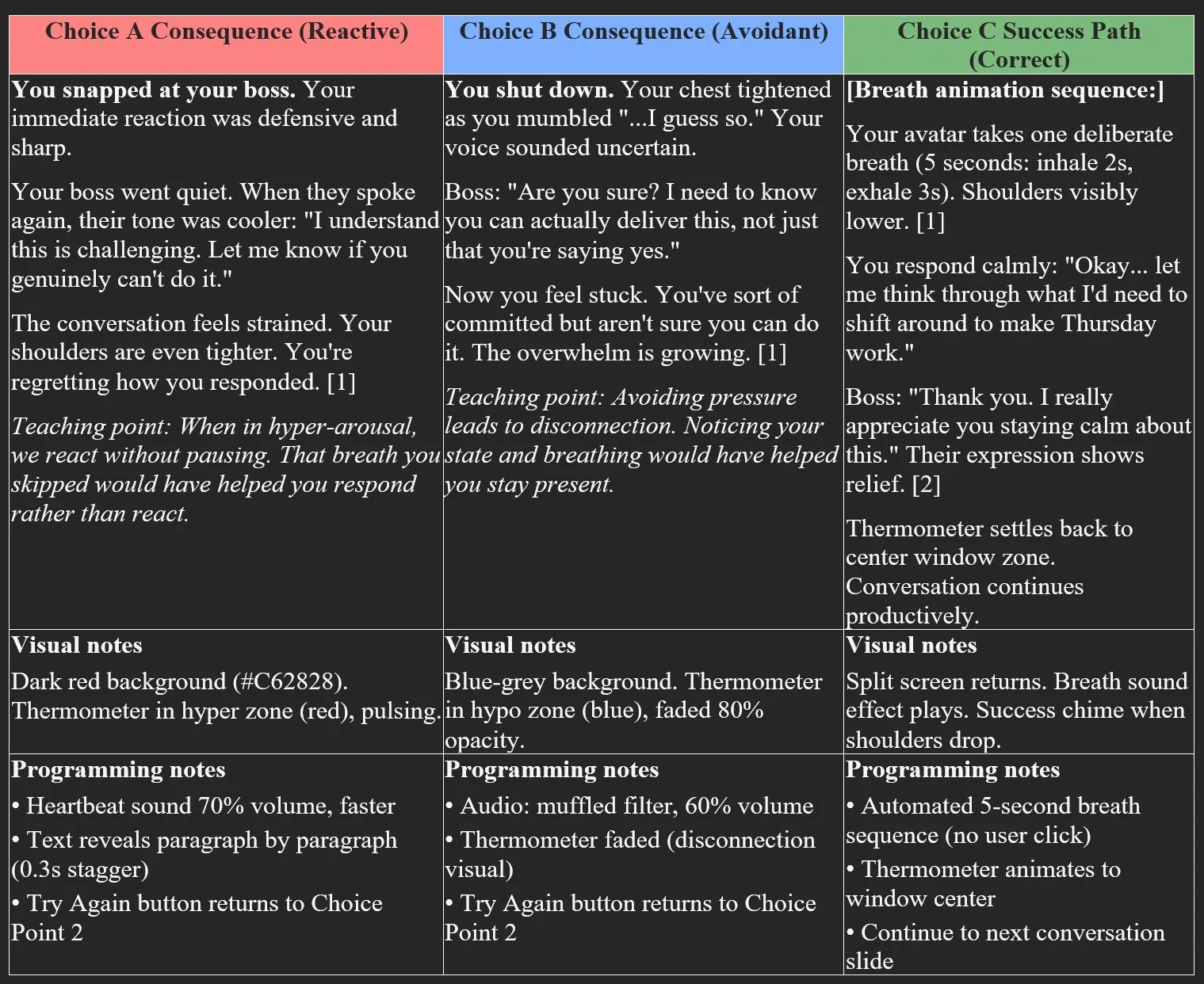
The following is an extract from the text-based storyboard developed for Choice Point 2 of 5 in the boss deadline scenario. It illustrates the branching structure, consequence-based feedback design, and programming logic used consistently across all five choice points in the course. Each choice point was designed to demonstrate a clear contrast between reactive, avoidant, and regulating responses- with visual and audio feedback reinforcing the learning at each branch.
Visual Mockups
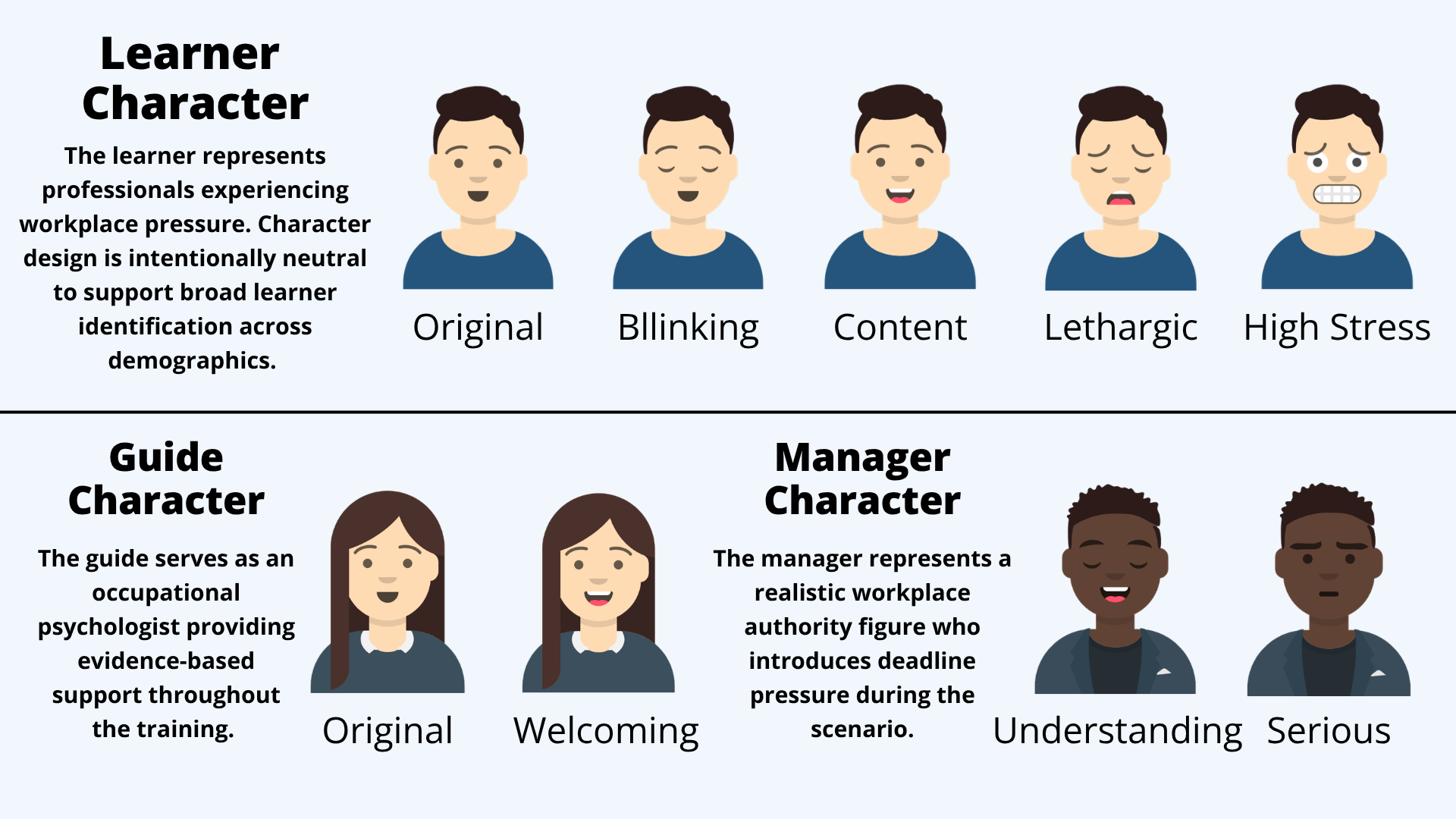
Characters were created using an online avatar generator tool, which produces customisable flat-design PNG characters across a range of expressions and states. Each character was exported individually and imported into Storyline 360, where expression states were assigned to specific slide triggers to reflect changes in arousal level throughout the scenario. The learner character was intentionally designed as neutral in appearance to support broad identification across demographics.
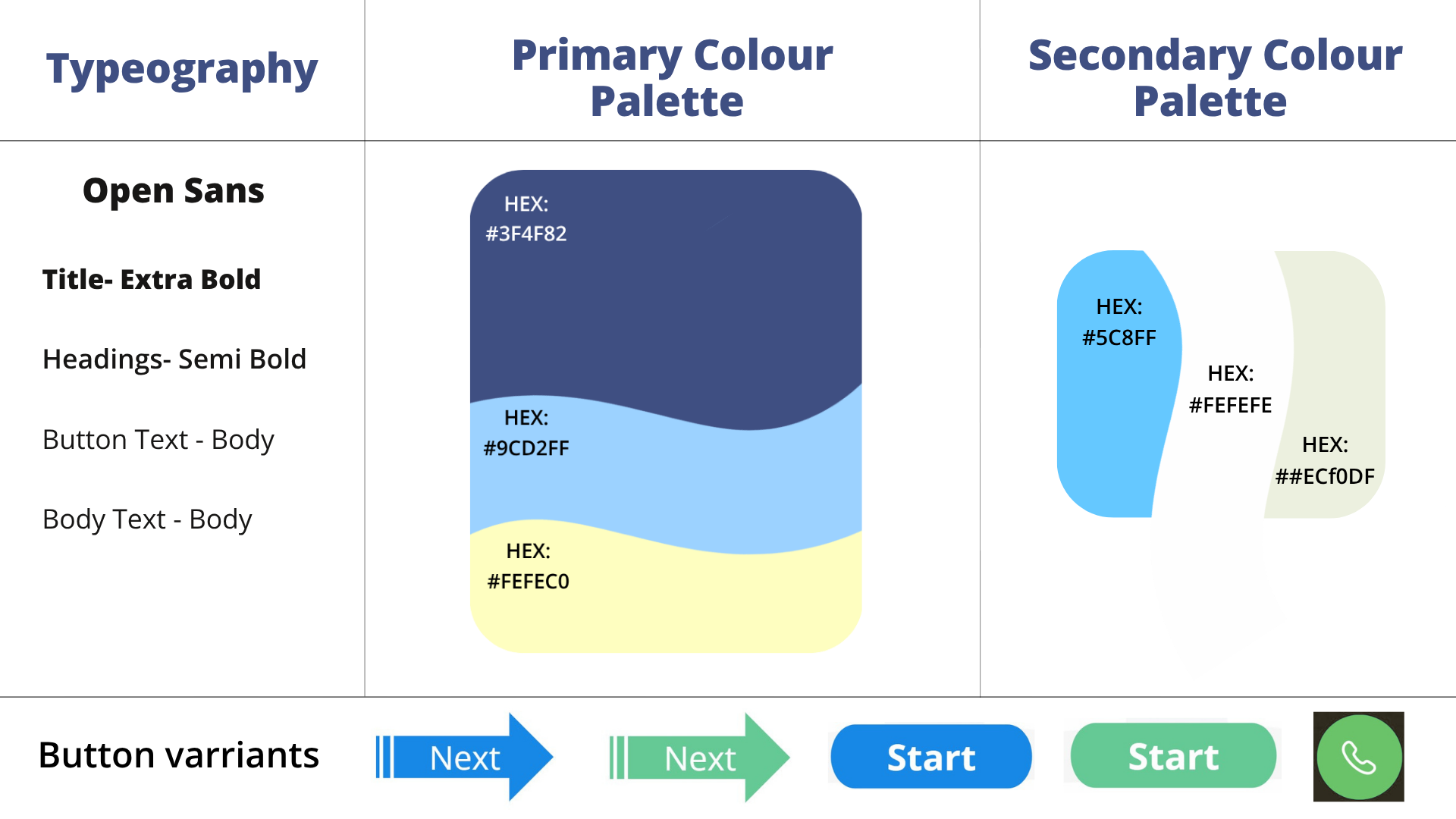
Style guide- sets fonts, colours, and visuals for consistency.
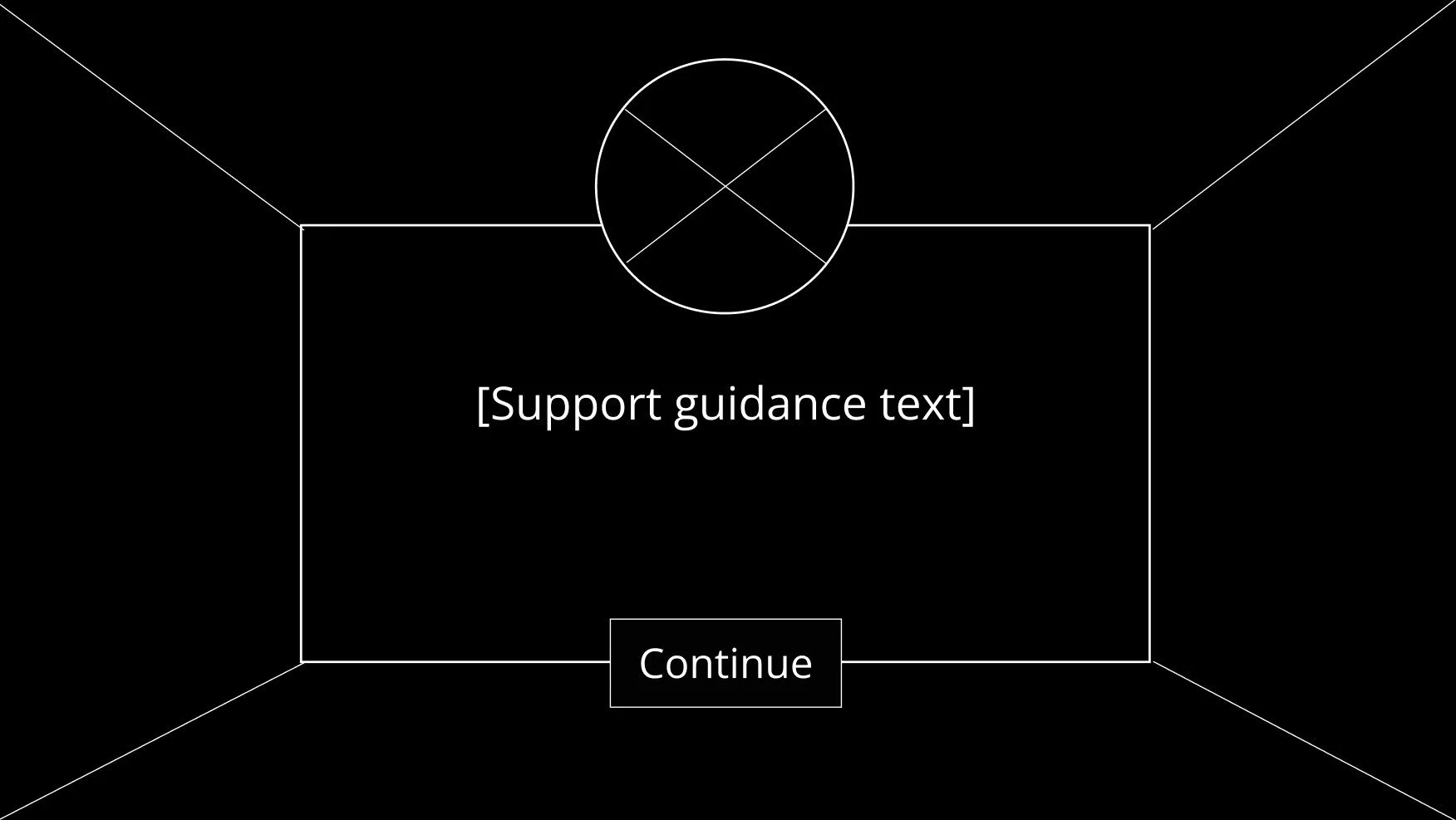
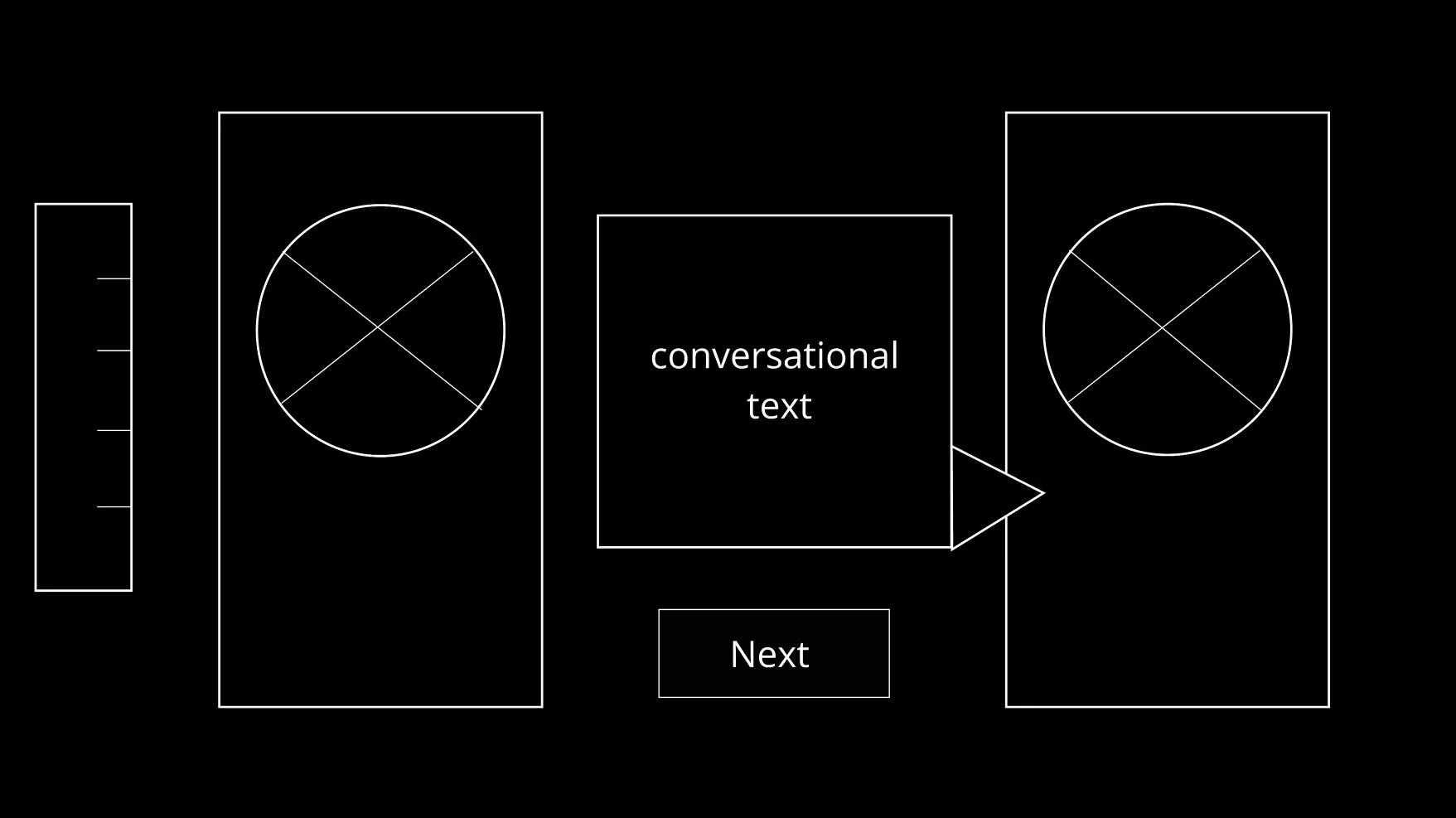
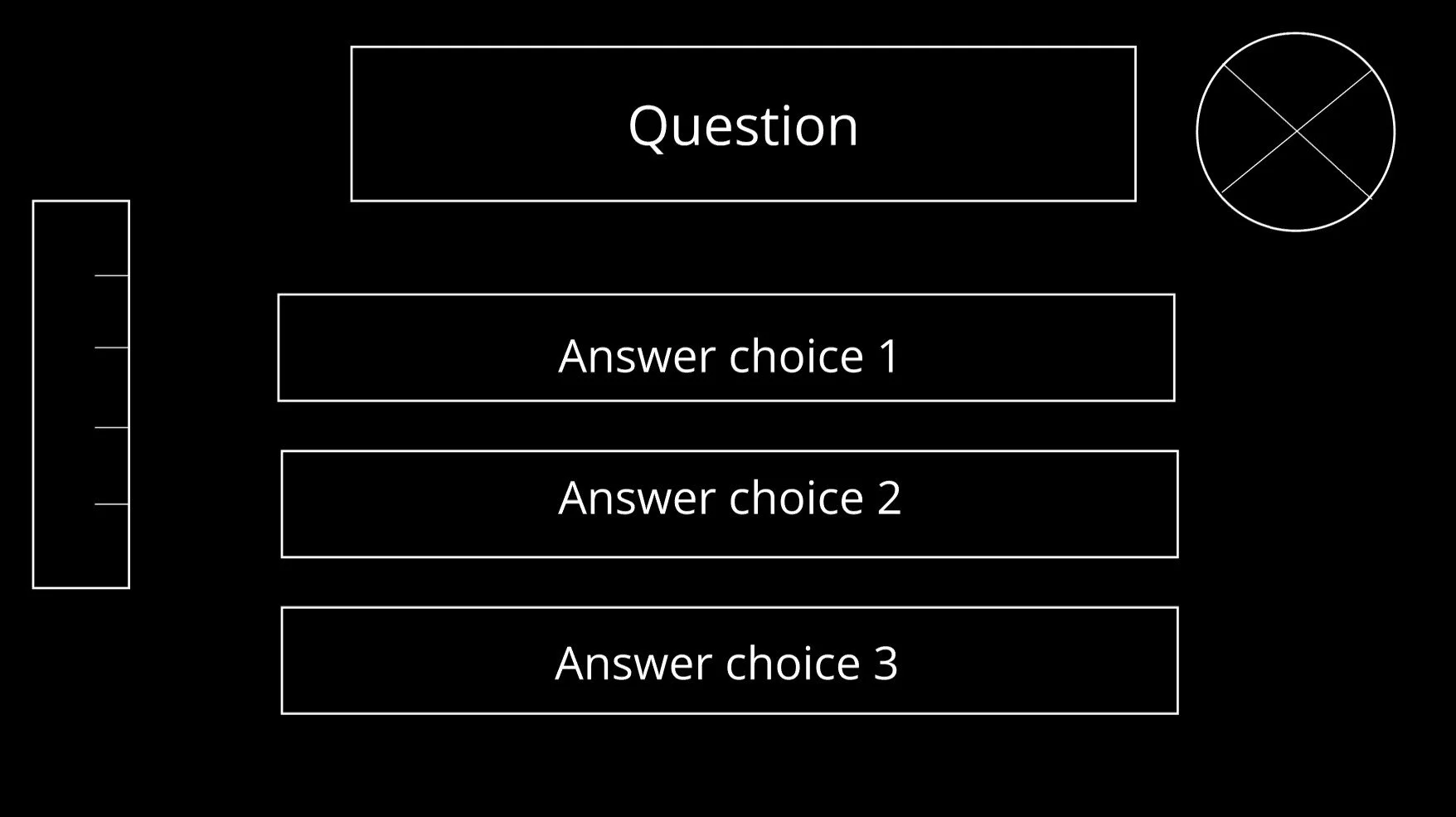
Low-fidelity wireframes were produced in Figma to map out the layout and structure of the three core screen types before development began in Storyline 360. Designing at the correct 1280x720px e-learning canvas dimensions from the start ensured that element placement, thermometer positioning, and interaction layout were planned intentionally rather than adjusted reactively during the build.

Full Development
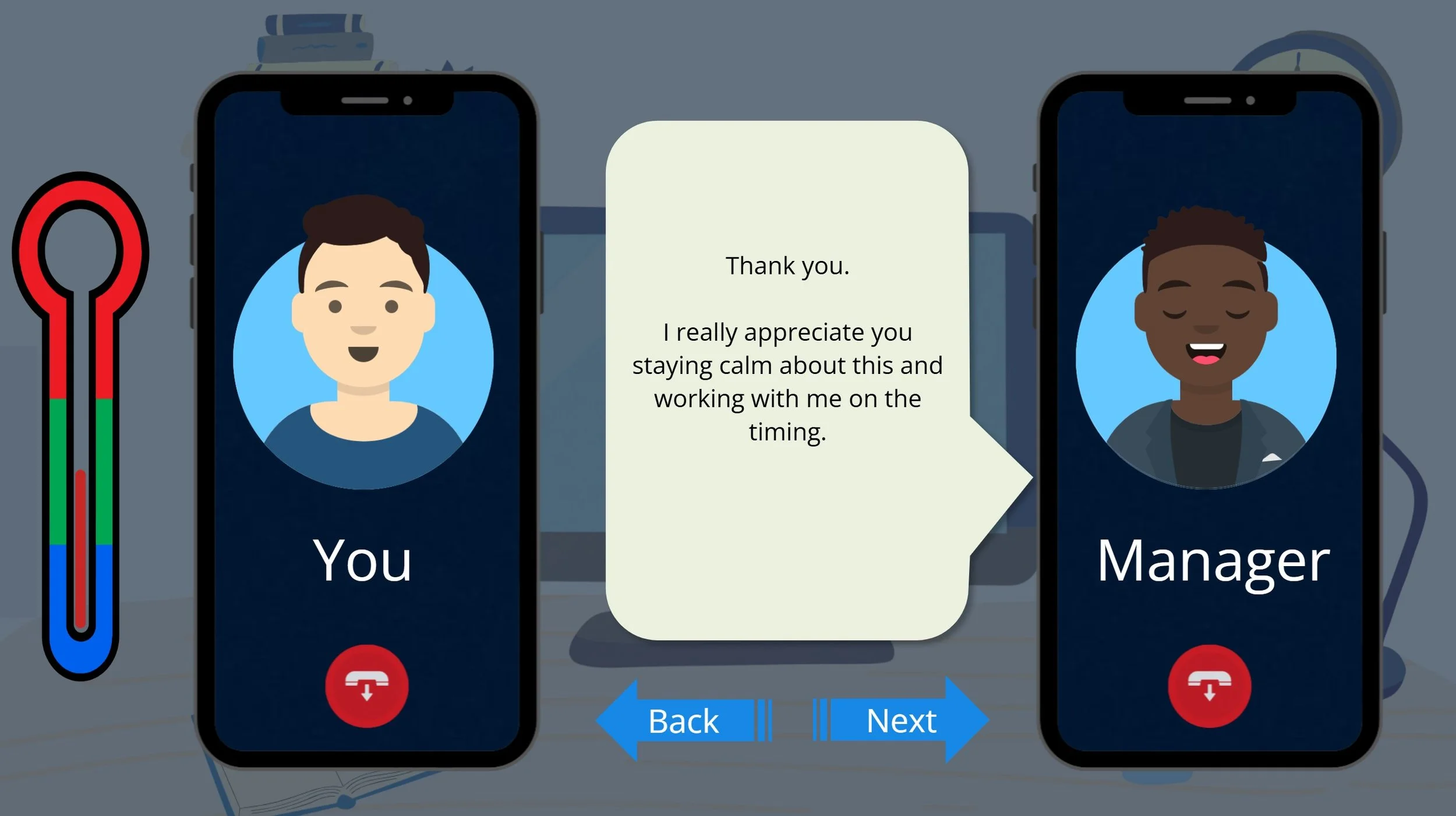
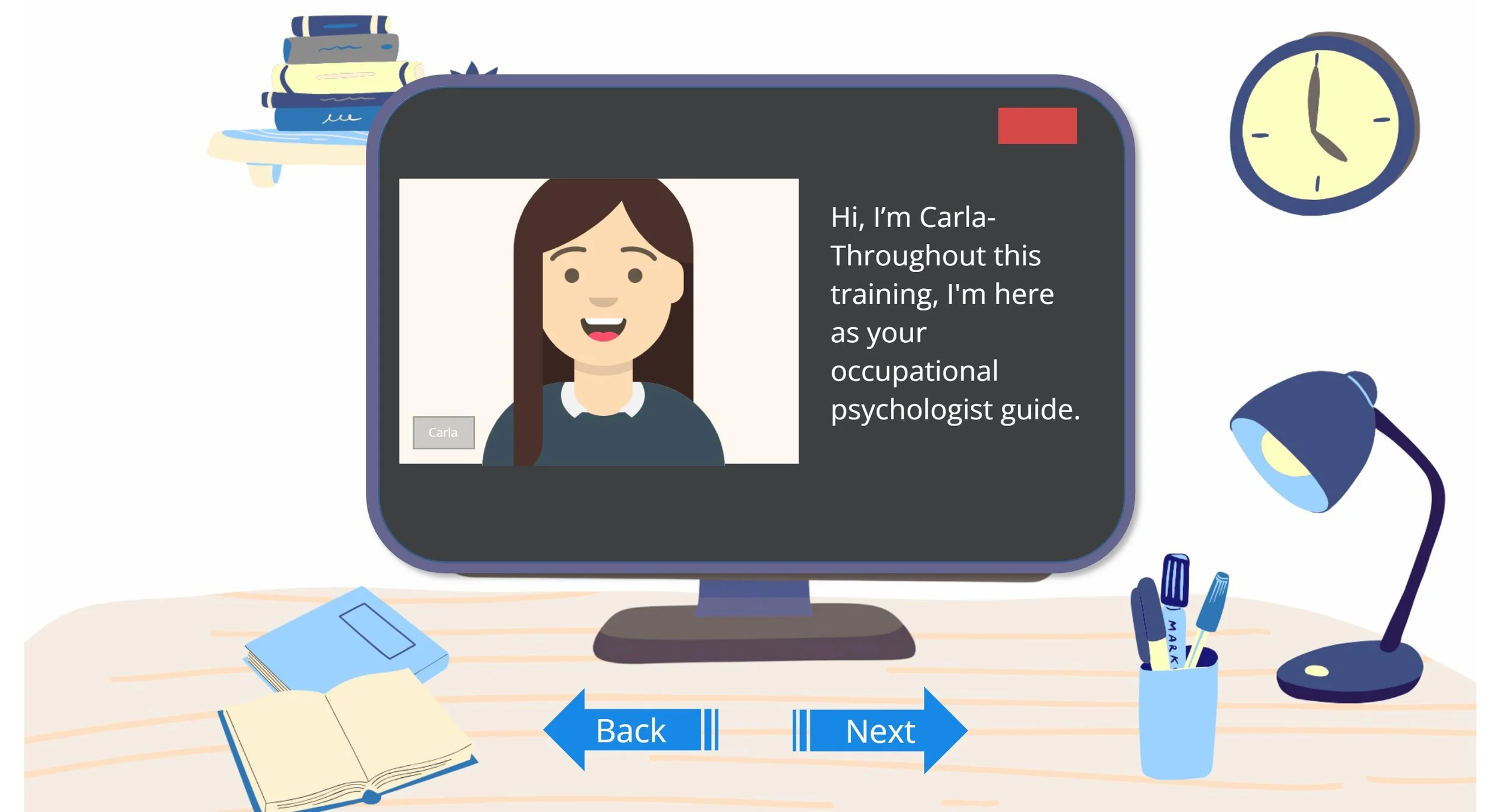
Built entirely in Articulate Storyline 360, the course uses variable-driven branching logic to create a responsive scenario that adapts in real time to learner choices. The arousal thermometer- the central visual mechanic of the course, was developed using layered variables and states to move dynamically across three zones as learners navigate five decision points throughout a realistic workday scenario. Supporting features include an occupational psychologist guide character, animated character expression states, and a phone call screen mechanic that simulates workplace pressure in a visually distinct format.
Results and Learning
One of the most valuable process decisions was aligning assessment design directly to learning objectives at the design stage, following the Dick and Carey model. Writing the scenario choice points and consequence feedback immediately after defining the objectives ensured the training stayed anchored to its core performance goals throughout. I was equally conscious of Cognitive Load Theory, keeping early slides deliberately information-light and avoiding excessive layering of content. This discipline comes naturally from my NHS background, where communicating complex ideas simply and accessibly is essential. AI tools including Claude were used throughout the project to support needs analysis research, learning objective refinement, scenario dialogue drafting, and iterative content editing - I use AI as a production accelerator without replacing the design thinking.
What I found most energising was the interaction design and finding ways to make the learning feel immersive rather than passive. The arousal thermometer was the idea I was most invested in, giving learners real-time visual feedback on the consequences of their choices in a way that reinforces the core concept far more powerfully than a static score. Mayer's Multimedia Principles informed how I paired visual and auditory feedback throughout, with success chimes providing clear positive reinforcement and the phone call mechanic creating a point-of-view environment that pulls learners into the scenario.
The ARCS model also shaped key decisions, with the opening self-check addressing Relevance by making the topic immediately personal, and the thermometer sustaining Attention through novelty. If I were to build this again I would invest more time in visual design, particularly colour consistency and creating custom characters that give the training a stronger and more coherent identity. I would also approach the opening differently, moving away from conventional objective slides towards something that earns attention first through rhetorical questions or an unexpected scenario hook. For any organisational deployment, a formal evaluation framework using Kirkpatrick's Four Levels would be essential, particularly Level 3 behaviour transfer data collected at 30 days post-training to understand whether learners are applying regulation strategies in real workplace moments.